Why is the flu so fierce this winter? Authorities Respond to Seven Public Concerns
Beijing, Jan. 10 (Reporter Zhang Ni) Recently, with the arrival of the high incidence of influenza, the number of outpatient and emergency departments, inpatients and critically ill patients in many hospitals has increased, and the spread of influenza epidemic has also aroused public concern.
Why is the flu so high this winter? Does the virus mutate? Is there a shortage of antiviral drugs? In response to a series of public questions and concerns, the National Health and Family Planning Commission, China CDC and other relevant departments recently responded.
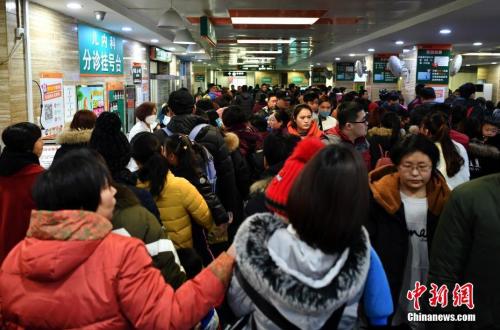
Data Map: On January 5, in the respiratory hall of Hebei Children’s Hospital, parents who came to see a doctor with their children jostled each other. China News Service reporter Yujia Zhai photo
What’s the flu epidemic?
— — The number of outbreaks was significantly higher than the same period of last year.
According to the news released by China CDC’s official WeChat "China CDC News" on the 9th, in the first week of 2018 (January 1-7), the percentage of influenza-like cases reported by sentinel hospitals in southern provinces of China accounted for 6.0% of the total number of outpatient and emergency cases (ILI%), which was higher than the same period in 2015-2017 (3.0%, 3.2%, 3.3%); The positive rate of influenza virus detection was 41.0%, which was higher than the same period in 2015-2017 (13.2%, 15.8%, 20.2%).
The ILI% reported by sentinel hospitals in northern provinces is 5.8%, which is higher than the same period in 2015-2017 (4.1%, 2.9%, 3.8%); The positive rate of influenza virus detection was 48.5%, which was higher than the same period in 2015-2017 (32.2%, 17.5%, 26.5%).
According to China CDC, the proportion of influenza-like cases and the positive rate of influenza virus detection reported by national influenza surveillance sentinel hospitals are higher than the same period of the past three years, and the number of influenza outbreaks reported nationwide is also significantly higher than the same period of last year; The number of confirmed hospitalizations and severe cases of influenza has also increased.
On the 9th, the National Health and Family Planning Commission and state administration of traditional chinese medicine jointly issued the Notice on Doing a Good Job in Influenza Prevention and Control in 2018, requiring health and family planning administrative departments at all levels (including Chinese medicine administrative departments) to attach great importance to influenza prevention and control. Coordinate the allocation of medical resources, strengthen the implementation of work, and guide disease control institutions and medical institutions to do a good job in influenza prevention and control.
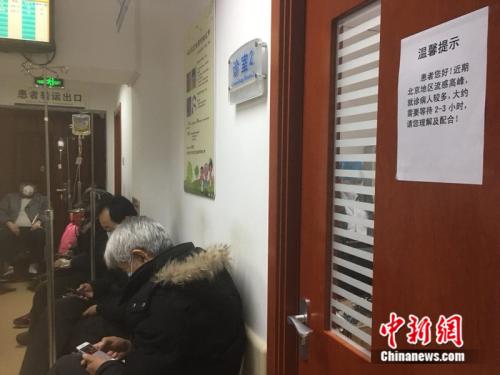
What is the cause of the high incidence of influenza this winter?
— — The superposition of comprehensive factors leads to
Why is the flu outbreak so fierce this winter?
On the 9th, Jiao Yahui, deputy director of the Medical Administration and Hospital Authority of the National Health and Family Planning Commission, told the media that the high incidence of influenza this winter was caused by the superposition of comprehensive factors, mainly including: winter is the high incidence season of influenza, and the climate this winter is abnormal. The dominant strains prevalent this year have not become dominant strains for many years, resulting in the lack of immune barriers and the increase of susceptible populations.
Feng Zijian, deputy director of China CDC, also said that the prevalence of influenza this year is indeed higher than in previous years.
"A fundamental factor in this cyclical change is the change in people’s immunity. Coupled with the slight variation of the virus gene, the textbook is called antigenic drift, but the change is not big. Together, these two factors make the immunity of the population decline, so that the intensity of virus transmission will increase. " Feng Zijian analysis.
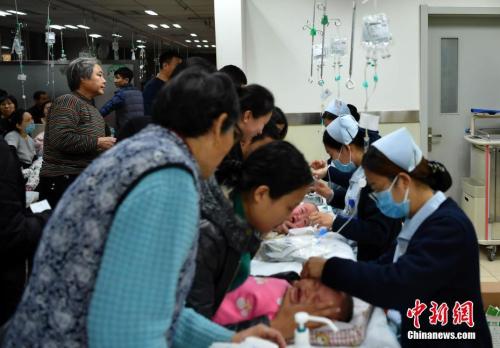
Data Map: On January 5, in Hebei Children’s Hospital, many nurses served small patients at the same time. China News Service reporter Yujia Zhai photo
Does the virus mutate?
— — No mutation, no new drug resistance
This sense of rotation is threatening, and one of the most concerned questions of the public is whether the influenza virus has mutated.
In response to this problem, Jiao Yahui said that at present, the virus has not mutated and has not produced new drug resistance.
She introduced that this year’s flu has no special specific manifestations from the clinical symptoms, and it is basically typical symptoms of flu such as high fever, chills, sore muscles and fatigue.
"However, this year has a different feature from previous years, that is, in addition to patients with influenza B infection, this year also merged with several subtypes of virus A, such as influenza A (H3N2) and influenza A (H1N1)." Jiao Yahui said.
She said that the number of patients with influenza B is relatively large, but the symptoms are relatively mild, and the number of patients with influenza A is less, but the symptoms may be heavier. In addition, a small number of influenza patients are mixed infection of A and B, and there are a few cases, in which patients have a more acute onset and develop into severe influenza.
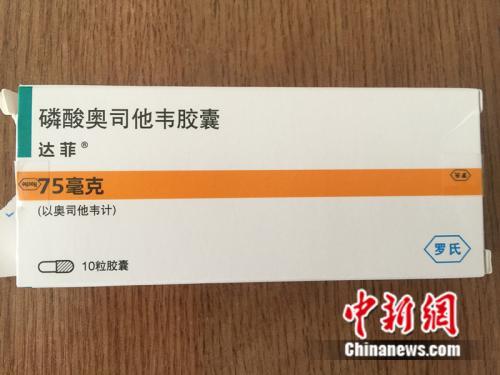
Are antiviral drugs enough?
— — Adequate drug supply guarantee
With the arrival of the peak period of influenza, some patients reported that there was a shortage of antiviral drugs in some hospitals. Regarding this phenomenon, Jiao Yahui said on the 9th that the supply guarantee of national antiviral drugs is sufficient.
"At present, we have Tamiflu, which is oseltamivir, and Zanamivir, which is sprayed. In the past two years, our country has successfully developed Paramivir for patients with severe influenza, which can be treated intravenously. These drugs can also be produced domestically." Jiao Yahui said.
She said that in the case of adequate production and supply, there may be cases where some hospitals can’t prescribe medicine when they go to the hospital during the peak period of influenza. In this case, the National Health and Family Planning Commission requires medical institutions all over the country to take temporary procurement measures to purchase influenza antiviral drugs, including oseltamivir, zanamivir and palamivir.
"At the same time, the National Health and Family Planning Commission requires local health and family planning commissions to open temporary procurement channels for medical institutions, ensure the supply of medicines in medical institutions, have sufficient medicines, and cannot affect patients’ access to medicines for any reason." Jiao Yahui said.
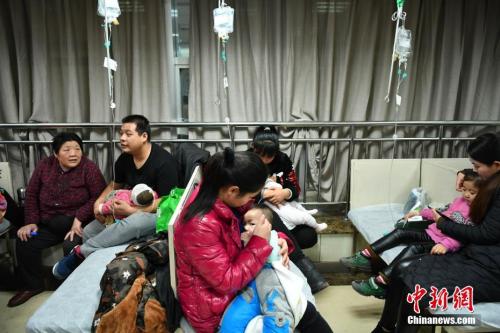
Data Map: On January 5, in the respiratory hall of Hebei Children’s Hospital, parents who came to see a doctor with their children jostled each other. China News Service reporter Yujia Zhai photo
Outpatients in big hospitals are overcrowded, how to alleviate it?
— — Increase the guidance to the lower medical institutions in the medical association.
In addition to the shortage of drugs in some hospitals, some patients also reported that the recent flu patients are mainly concentrated in some large hospitals, and the capacity of primary medical institutions is limited.
In this regard, the National Health and Family Planning Commission and state administration of traditional chinese medicine issued the "Notice" on the 9th, proposing to focus on training medical staff in primary health care institutions to master the knowledge and workflow of diagnosis and treatment, improve the awareness and ability of early identification of influenza cases and early antiviral treatment, and reduce the occurrence of severe cases. It is necessary to give full play to the role of the medical association as the leading hospital, and increase the guidance to the lower medical institutions within the medical association by means of on-site training, on-site guidance and telemedicine.
The "Notice" also proposes to organize and mobilize the team of family doctors, carry out targeted publicity activities for contracted clients, and guide residents to do self-protection and seek medical treatment reasonably after illness. Grass-roots medical staff should correctly grasp the "Influenza Diagnosis and Treatment Plan (2018 Edition)", improve the ability of early identification, diagnosis and treatment, do a good job in routine diagnosis and treatment of influenza patients, and guide and help patients with suspected severe diseases to be referred to medical institutions with treatment ability in time according to the requirements of the specification.
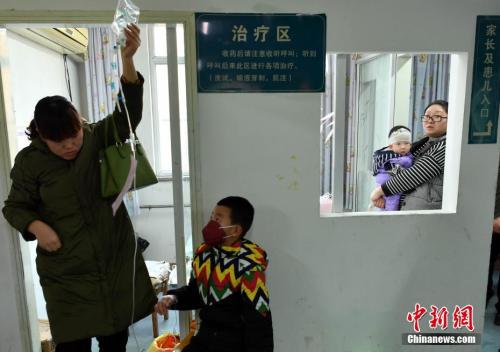
When will the epidemic peak pass?
— — With the arrival of school winter vacation, the seasonal peak may fall back.
According to the news released by China CDC on the 9th, overall, the intensity of influenza activity in this winter epidemic season is higher than that in recent years. At present, the northern and southern provinces of China are at the peak of seasonal influenza epidemic, and the overall level of influenza activity is still at a high level, and it may continue to be prevalent for some time.
In addition, most areas are still in the high-incidence season of influenza, but there are differences in the peak and duration of the epidemic in different regions, and some areas have shown signs of slowing down the upward trend of the epidemic level. It is expected that the seasonal peak will fall with the winter vacation in schools and kindergartens in most areas.
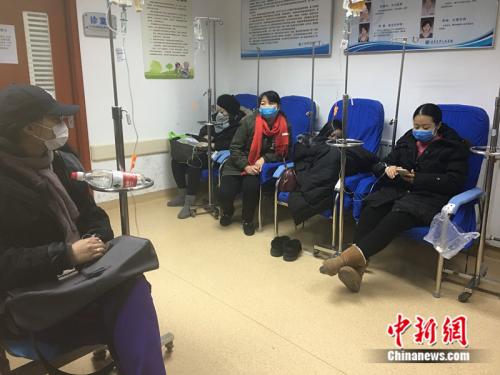
How to protect high-risk groups?
— — Vaccination is the most important preventive measure.
When influenza strikes, how should high-risk groups such as the elderly, children and patients with chronic diseases strengthen their own protection?
In this regard, Feng Zijian said that prevention can be divided into two aspects, among which vaccination is the most important means of prevention. He suggested that the public, especially children, the elderly, patients with chronic diseases and other high-risk groups be vaccinated to avoid very serious diseases and complications caused by influenza infection.
"The vaccination of influenza vaccine in China is not high, about 26 million are supplied to the market every year, but it can only reach more than 20 million. Compared with the high-risk, highly recommended and recommended people who need vaccination, the number of vaccinations is still too small. " Feng Zijian said.
Among the non-vaccine preventive measures, in the peak season of epidemic, high-risk groups should try to reduce their activities in public places and reduce personal contact. If they want to go to public places, they should wear masks. In addition, we should also pay attention to frequent hand washing, ventilation and other health measures.
"If family members are infected, especially in the stage of fever and cough, don’t contact with the elderly, chronically ill patients or pregnant women, which will also reduce the chances of high-risk groups being infected." Feng Zijian stressed. (End)